Julianna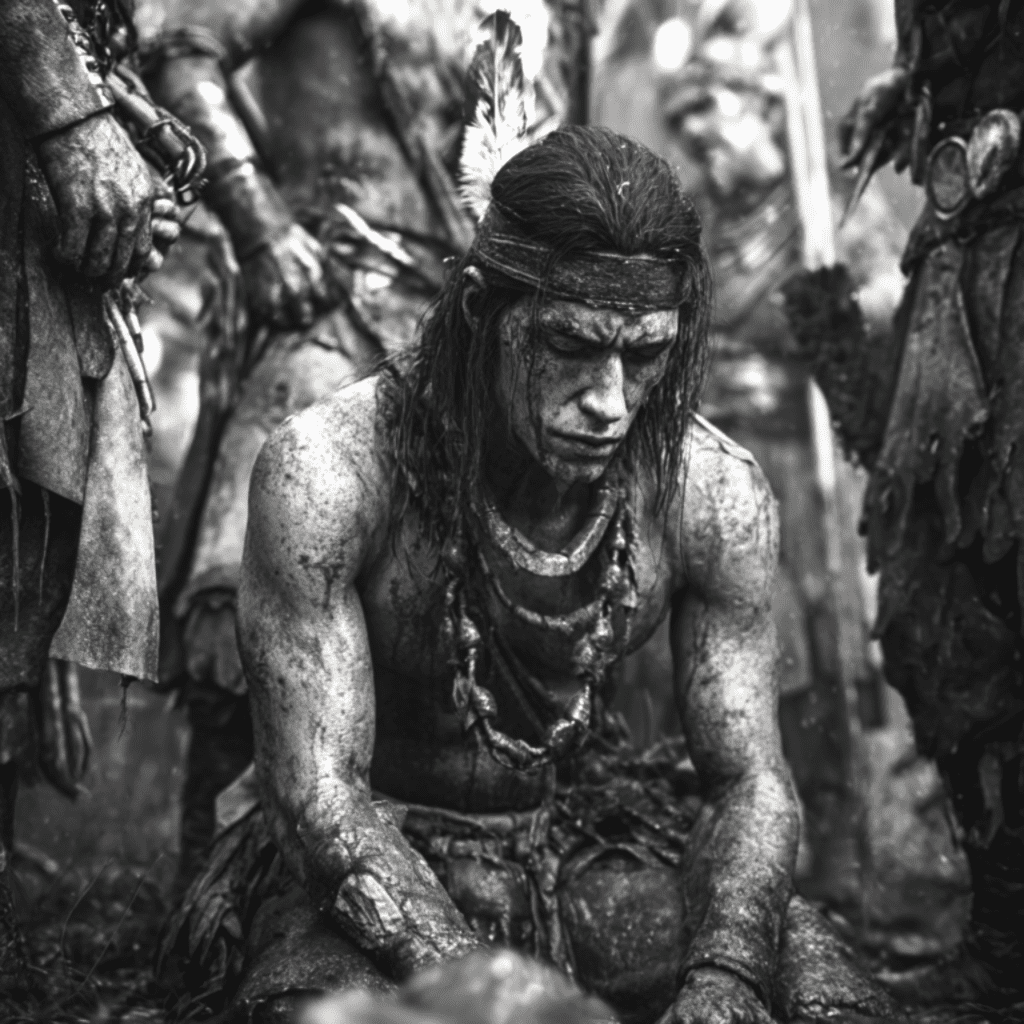
The Witness
You are still alive when they begin cutting at you.
The first blow from the club does not kill you. In a while, you will wish it had.
Stone clubs crack against bone. Blades strike where joints meet. You have no words for the agony.
Someone knows where to cut to make a limb come away.
Pain lands sharp, hot and white, then splinters into something surreal. This cannot be happening.
But it is happening.
You are screaming, but the sound disappears into other screams. The air is filled with animal screams echoing off the palisade walls that surround them.
You are all trapped.
Children run when they are caught. Some are struck down where they fall. Others are seized and dragged back into the crush of bodies. There is no hesitation. No separation. Whatever rules that once existed are gone. Nothing exists right now, just horror.
You are alive when your scalp is taken.
The cut is fast. Practised. Skin is pulled back from the skull.
You can’t even feel it now; your body is already broken. You’ve become numb, but you know it’s happening.
Blood floods your eyes.
Your body jerks, fights, refuses to understand what is happening.
The weirdest thing is that you are still alive. Your breath is loud like a voice climbing up from your very lungs.
Bodies are everywhere now. People you recognised this morning. People you spoke to. Arms are missing. Legs are missing. Faces are crushed until they no longer look human. Some bodies still move beneath the pile.
You are alive when you are thrown into the pit.
Others land on top of you. Heavy. Warm. Then cooling. Something presses against your chest until breathing becomes shallow, then impossible. Darkness closes in, not gently, but all at once.
Your life.
It’s gone.
What the hell happened?
This is the removal of a village.
The Archaeological Evidence
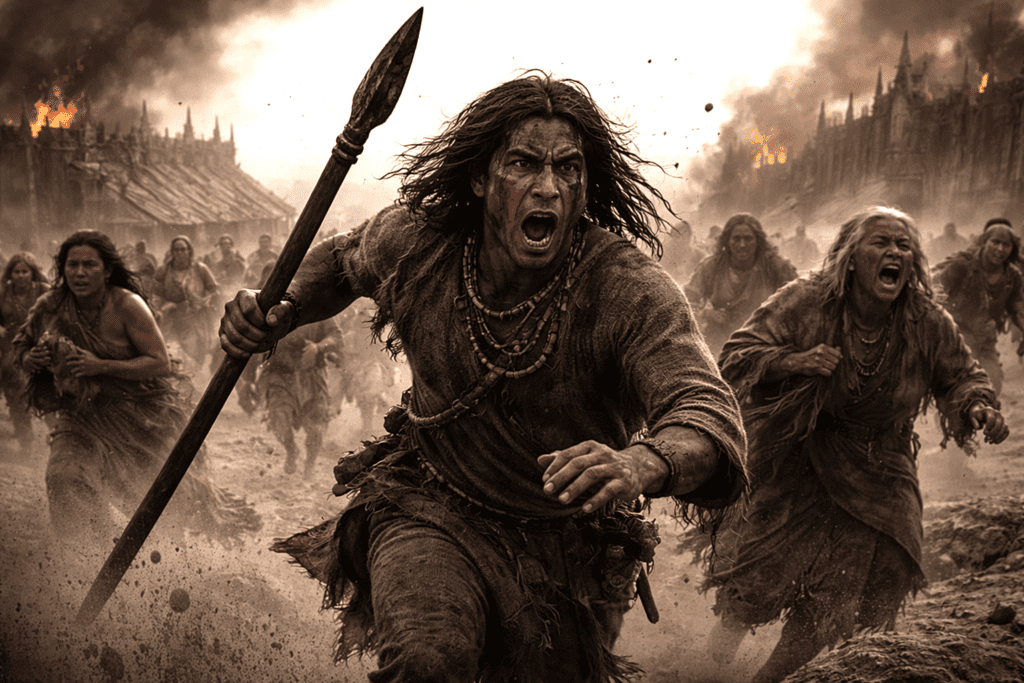
The Crow Creek Massacre Site dates to around AD 1325 and was part of a fortified Plains Village farming community along the Missouri River.
Excavations in the 1970s revealed a large settlement protected by a deep defensive ditch and wooden palisade, clear evidence that the inhabitants anticipated attack.
Inside the ditch, archaeologists uncovered a mass grave containing the remains of at least 486 individuals. The figure is a low estimate. The village population is estimated at 500-1,000. Even at the upper estimate, a substantial proportion of the community was killed in a single event.
The dead did not include soldiers; these were men, women, children, infants, and older adults. The age range matches that of a functioning settlement, not a group of combatants. It was a harvest of regular people. The population itself was the target.
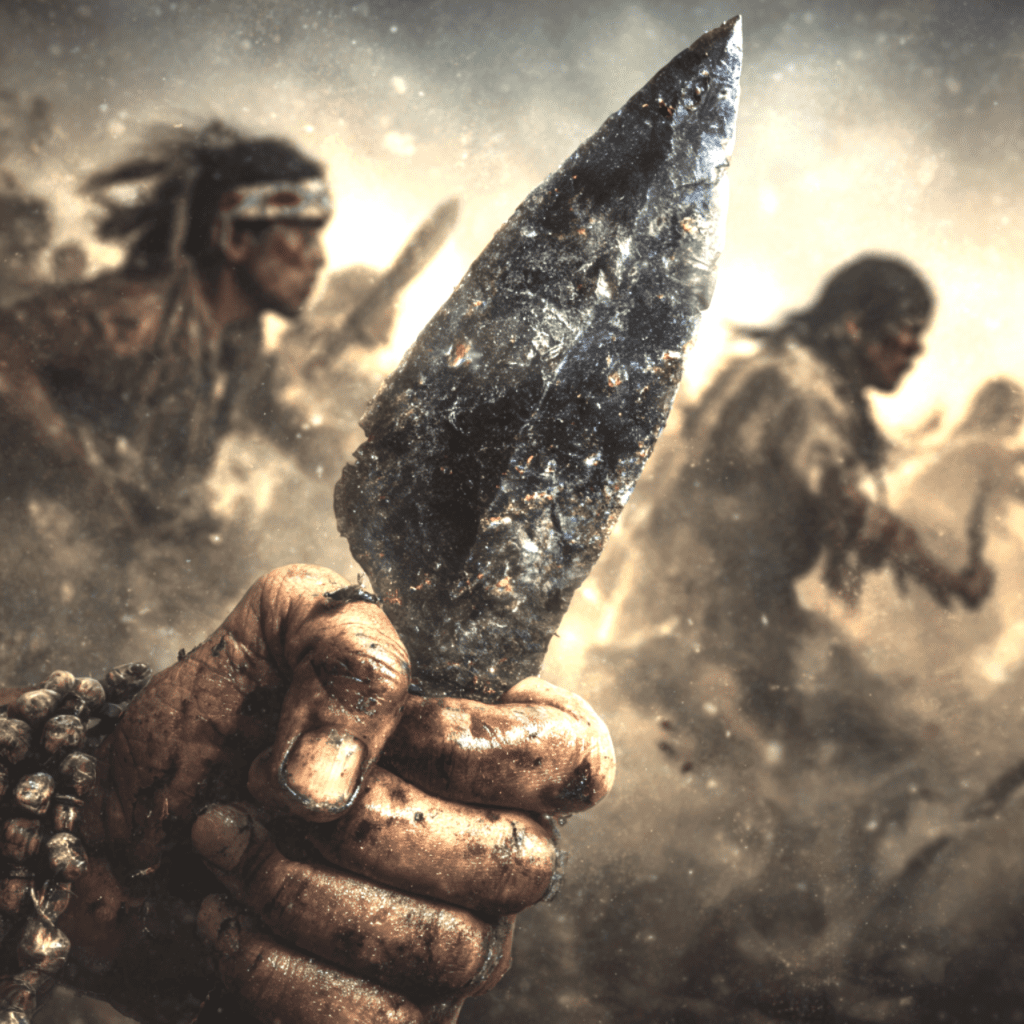
Skeletal analysis shows extensive perimortem trauma. Skulls and facial bones were crushed by blunt force. Cut marks from stone blades are widespread. Arms and legs were removed cleanly at the joint surfaces. Many individuals suffered multiple blows, indicating prolonged violence rather than rapid death.
Bodies were not buried. They were thrown together without order or ceremony. No moral code was shown in how they piled the bodies up.
Young women of childbearing age are underrepresented. The most plausible explanation is that they were taken captive by the attackers.
This community ended abruptly.
Why They Were Killed
The attackers were almost certainly neighbouring Plains groups from the same cultural and technological background. There is no evidence of an external enemy.
At the time, the Great Plains were experiencing a prolonged drought. Crop failure, water scarcity, and pressure on arable land would have intensified competition between communities. In this context, eliminating a rival village removed both people and territorial claims.
The violence did not end with death. The remains show systematic scalping, dismemberment, and removal of heads. These actions were deliberate and consistent with trophy-taking practices. Body parts were taken as proof of victory and as symbols of dominance.
Some researchers have suggested cannibalism. While this cannot be proven, the cut marks and missing body parts are consistent with extreme post-mortem processing.
So why was that person killed at Crow Creek?
Not because they were a warrior.
Not because they fought back.
Not because they were singled out.
They were killed because they belonged to the village.
And the village was marked for destruction.
The Psychological Interpretation
The Crow Creek Massacre represents extermination-level violence, not conventional warfare. Conventional warfare is understandable and common even in today’s society.
In most conflict scenarios, violence is guided by goals such as territorial control, deterrence, or resource acquisition. At Crow Creek, these constraints are absent. The brutality of the overkill is eerie. Here, we see dominance and eradication as clear goals.
Mutilation plays a central psychological role in this type of violence. Scalping, dismemberment, and facial destruction are not necessary to kill. Their function is more symbolic. They dehumanise victims, reinforce cohesion among perpetrators, and transform violence into a communicative act.
People are no longer seen as human at this point, and violence is ritualised.
The environment was challenging, resources were minimal, and coupled with drought and competition for what was available, it could fuel hostility and fear. Crow Creek is not a case of primitive brutality; it’s the systematic removal of a group of people. These people were brutally dehumanised.
What Remains
No survivors returned to Crow Creek.
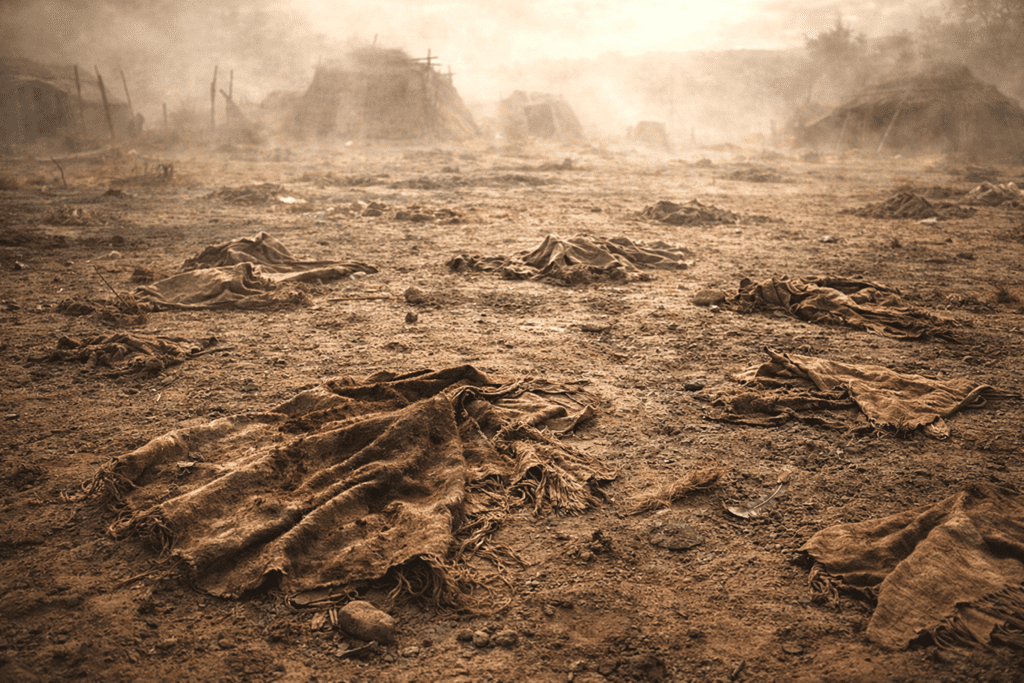
No one buried the dead or rebuilt the houses. The village vanished, leaving only broken bones and silence.
Crow Creek is horrifying not due to mystery, but because it is clearly understood.